When a child says they hate reading, the instinct is to hand them something shorter, or funnier, or whatever series everyone at school seems to like. That rarely works. What usually works is going backwards one step: finding out what the child actually cares about, and then finding a book that lives there.
Start with the feeling, not the level
Most reading advice focuses on reading level. Start with something else instead. Ask yourself what kind of feeling your child is after. Some want to laugh. Some want to feel clever. Some want spooky, or fast, or a character who has their exact problem and figures it out. Reading level matters, but a child who wants funny and gets serious will put the book down regardless of whether they can decode every word on the page.
Four questions worth asking
You do not need a formal assessment. A conversation works just as well.
- What do they like to watch, play, or talk about at dinner?
- Do they want to read about someone like them, or escape somewhere completely different?
- How do they want a story to end: happy, surprising, or still a little mysterious?
- How long is too long? Some children find a thin book reassuring. Others want length as proof that something real happened.
These are not diagnostic questions. They are conversation questions. The child does not need to know you are trying to find them a book. They just need to talk.
Let them put it down
A child who finishes every book they start, even bad ones, has learned to associate reading with obligation. That is not a habit worth building.
Letting a book go matters. If the book cost money and is sitting on a permanent shelf, there is a small but real pressure to finish it. A book that came on loan and can go back carries none of that. They can say this one is not for me, swap it out, and reach for another without any conversation about it.
This is the logic behind Bukmuk's swap model. Some children need to abandon 3 or 4 books before they find the one that makes them stay up past bedtime. The swap exists so they can do that without the guilt.
Try a book by a child, for a child
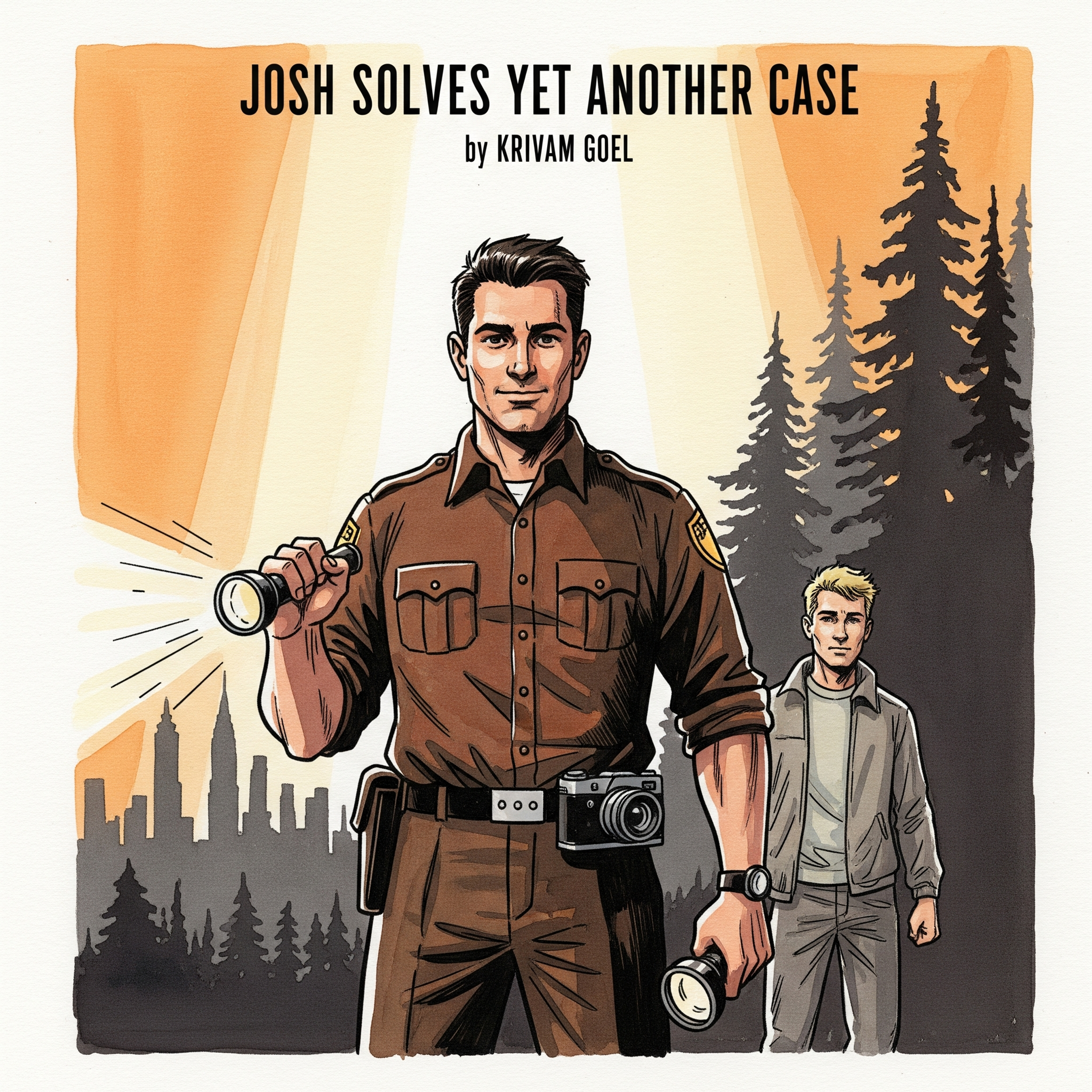
One thing we have noticed at Bukmuk Publishing: hand a reluctant reader a book where the author's age is printed on the back, and something often shifts. Krivam Goel was 8 years old when he wrote Josh Solves Yet Another Case, a mystery set in New York following a detective named Josh. The pacing is fast. The clues pay off. It reads like a child who genuinely loves mysteries made it, because one did.
For a reluctant reader who has decided books are not for them, proof that a peer wrote one changes the question. It goes from why am I reading this to could I do this.
The one thing to avoid
Resist the urge to reward finishing. Telling a child they can watch television if they get through a chapter turns reading into the toll booth between them and what they actually want. That association is hard to undo.
There is no single book that works for every reluctant reader. But there is usually one book that cracks it open. The job is to keep offering options without pressure until that one shows up. A swap model is built exactly for that kind of patient, low-stakes search.
Not ready yet? Get the free parent's guide
Leave your name and we'll send you the free guide to publishing your child's first book. Plain answers, honest prices, no hard sell.