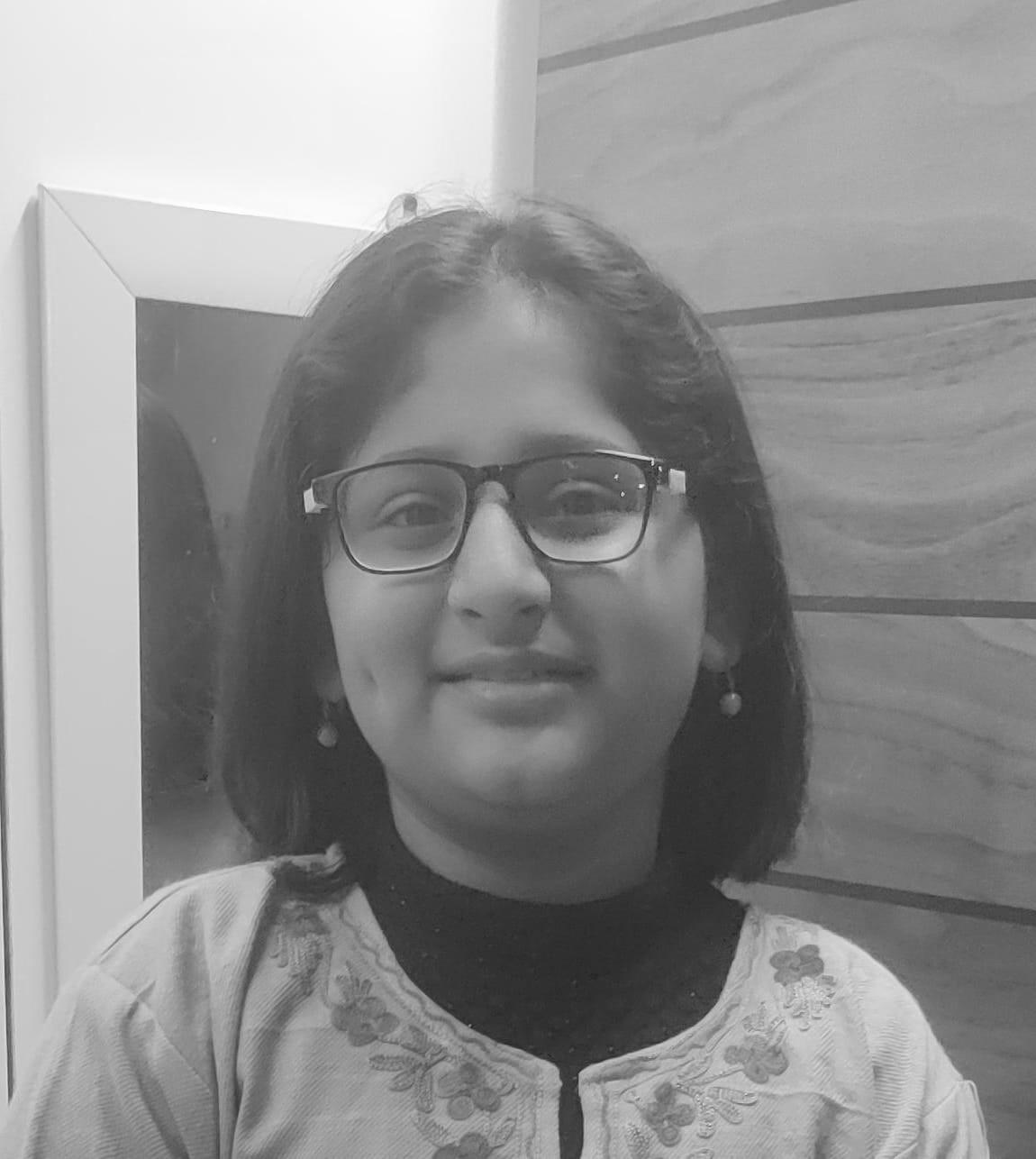
Zainab Hameed is 13, and she reads books about displacement and belonging. Not because someone assigned them. She reads them because she wants to understand the world.
One of the books she keeps coming back to is The Boy at the Back of the Class, a story about a refugee child trying to find his place in a new school. It is not her own experience. That is exactly why she reads it.
People talk about reading and empathy as though the link is obvious, almost automatic. I think it deserves a closer look. What reading does is specific, and it is not quite what anything else does.
Reading is a private practice of inhabiting someone else's perspective. No one is watching. There is no social reward for being seen to care. The care happens between a child and a page, alone, at night, in the back seat of a car, on a library mat. That is different from every other form of empathy-building we try: the classroom conversation, the school assembly on kindness, the group discussion. Those are performed, at least in part. Reading is not.
From Reader to Writer
Zainab did not stay on the reading side. She crossed over. Her story appears in Whispers of Many Worlds, our second anthology, which gathers 12 young authors between the ages of 7 and 16. She writes hoping her stories will open eyes the way reading opened hers. At 13, that is an unusually clear account of why a writer writes.
It does not come from nowhere. It comes from years of reading seriously, from letting a book's experience become your own for its duration, from putting it down and carrying something forward. The child who does that enough times starts to understand, at an almost physical level, what a story can do. And then they want to do it themselves.
We see this arc at Bukmuk Publishing. Of the 3 books we have published and the 6 in production, across 12 cities in India, the young authors who write most purposefully are almost always the ones who describe themselves first as readers. Not casual readers. The ones who read because they are looking for something.
Zainab is looking to understand displacement and belonging. Krivam Goel, who published a detective novel with us at 8, reads mysteries because he loves the contract between a clue and its payoff. Vedika Aggarwal built an entire ocean society for her first book because reading fantasy taught her how worlds are made. Different searches. The same engine: reading gave them something, and writing is how they return the favour.
There is a lot of conversation about whether children read enough. I share the concern. But the question I find more interesting is: what happens to the ones who do? What grows in a child who has spent years inside someone else's head, who has practised, privately, caring about lives very different from their own?
Zainab has a direct answer. Reading opened her eyes. Now she writes to open someone else's.
That is not a metaphor. That is just what happens when a child reads the right book at the right moment, and is then given somewhere to take what they found.
Not ready yet? Get the free parent's guide
Leave your name and we'll send you the free guide to publishing your child's first book. Plain answers, honest prices, no hard sell.