The beginning of a story is easy. A 10-year-old sits down with an idea, a character they love, and enough energy to fill a whole notebook. What happens around page 40 is a different question.
Plot coherence, the ability to hold a story together from first chapter to last, is a skill, not a talent. It means the thing you set up on page 3 still matters on page 30. It means the reader who followed you in does not get dropped somewhere in the middle. Most adult novelists take years to do this reliably. A young writer doing it for the first time is learning something genuinely difficult.
Not all children approach it the same way
Some children are natural builders. Kiyansh Chaudhry, a 10-year-old from Noida, spends his time outside writing assembling Smartivity kits: patient, step-by-step construction that rewards careful attention. When he writes, he brings the same approach. His stories are whole universes built with twists and turns, and he lands them, characteristically, on sweet, resolved endings. A maker's patience translates directly onto the page. You cannot skip the middle steps.
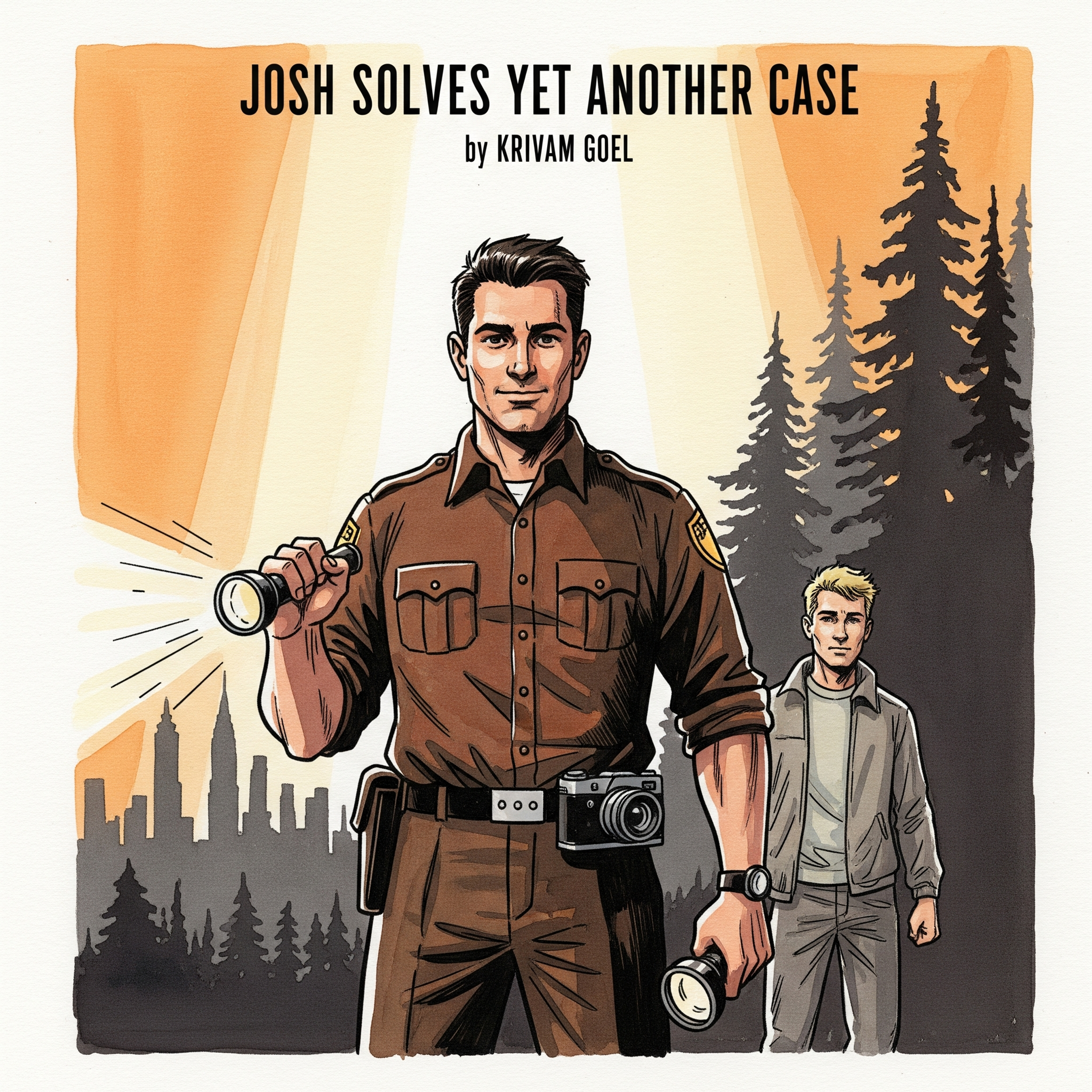
Krivam Goel, who was 8 when he wrote Josh Solves Yet Another Case, chose a genre that forces the issue from the start. Detective fiction does not allow loose threads. A clue planted on page 3 has to actually matter on page 30. The genre requires the writer to think backward from the ending before they begin. Krivam keeps that contract, which tells you a great deal about how carefully he reads the mystery writers who shaped him.
Vanya Kapoor, 9, described her own method in a way we keep returning to. Once she starts a story, she says, the ideas keep coming until it builds itself into something whole. That is not magic. That is a writer learning to follow the internal logic of what she has already set up, trusting that if she keeps paying attention to what the story is asking for, it will find its shape.
3 different children, 3 different instincts. The kit-builder, the genre devotee, the writer who follows the thread. What they share is care. They are paying attention to the whole thing, not just the part directly in front of them.
What we do, and what we do not
We do not teach plot structure as a diagram. In our experience, presenting the hero's journey to a young writer before they have finished a first draft is one of the faster ways to make them feel like they are doing it wrong, and to make them stop wanting to continue. Structure taught too early becomes a cage.
What we do instead is ask questions. What does your character want at the start? What gets in the way? Does the ending answer what the beginning asked? Those are the same questions a story consultant would ask a screenwriter, just in plain language, and the young writers we work with can answer them. They know their stories. They often know exactly where the loose thread is.
The goal is not to produce a technically correct story. The goal is to help a young author discover that their story holds together because they made it hold together, that they kept the whole thing in their head for weeks and brought it home. That is a different kind of satisfaction than finishing an assignment.
The part that cannot be rushed
Plot coherence is a slow skill. Most young writers find it in pieces, across several attempts. The first story falls apart somewhere in the middle. The second one almost makes it. By the third, something clicks and they feel it themselves, without being told.
We try not to rush that, and not to make it sound like a rule they failed to follow. When a young writer discovers that their own story actually holds together, it is genuinely theirs. That is the feeling we are working toward.
The best thing we can do is stay out of the way until that moment arrives.

Not ready yet? Get the free parent's guide
Leave your name and we'll send you the free guide to publishing your child's first book. Plain answers, honest prices, no hard sell.